However you celebrate the vernal equinox, may the many blessings of spring be with you today!
However you celebrate the vernal equinox, may the many blessings of spring be with you today!

Being a stepmom is like having to learn how to be bravely and joyfully wounded. How to be fiercely protective and graceful in your impotence all at the same time. It's having to be honest about your wounds, to learn how to teach by example what it's like to bear them courageously and lovingly — while at the same time fighting like hell to make sure the kids don't grow up with any deep wounds of their own, if you can possibly spare them. It's also learning to accept that they might grow up with wounds anyway, and they might think you're full of shit no matter what explanations you give them for the choices you made... if you're lucky enough to get them to listen at all. It's knowing that they might even be right, and you're making all the wrong choices. But you suck it up and have a little trust and try to practice some preemptive self-forgiveness.
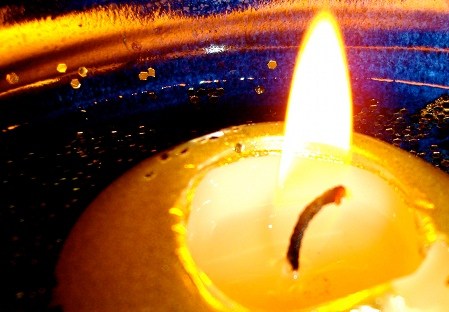
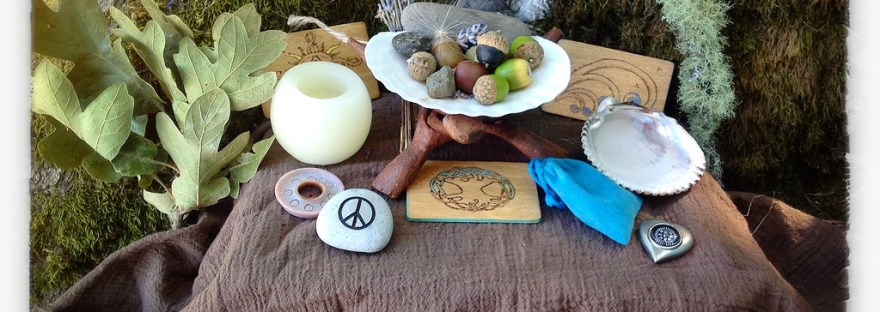
When we light a candle in our ritual space, we ignite a flame within ourselves. When we pour water or burn incense as offerings, we offer ourselves as well, to soak into the earth or rise in gentle wisps of smoke towards the sky. Imagining these things is not enough — the work demands that we engage not only with our minds and hearts, but with our bodies. This is the original meaning of celebration: a gathering, a time of coming together. We've come to think of celebration as an occasion for happiness and enjoyment, because this sense of wholeness that we find in company with ourselves and with others is deeply nourishing and joyful for us. But celebratory spirituality also means being fully present to sorrow and suffering, and giving our whole selves as much to hard work and discipline as to pleasure and delight. Celebratory ritual is about our willingness to be fully present to the world and its gods.
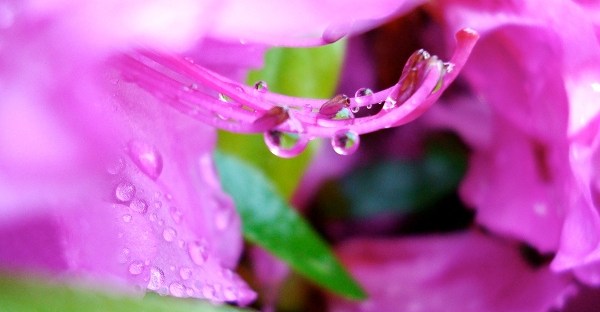
Our relationship with nature gives rise to a paradox, in the same way that love creates a paradox. The paradox of love closely parallels the on-going struggle we have with the question of whether we are a part of nature, or separate from it. When we think of nature as our beloved, we discover that the answer is in fact: both. To be a nature-lover is to recognize this paradox: when we love nature, we see that our love both unites us with and differentiates us from what we love. In this way our love of nature affirms the most basic truth of our experience as self-aware creatures: that we are both a part of and apart from the world around us, that we are both whole individuals ourselves, and united in a whole that transcends our individuality.
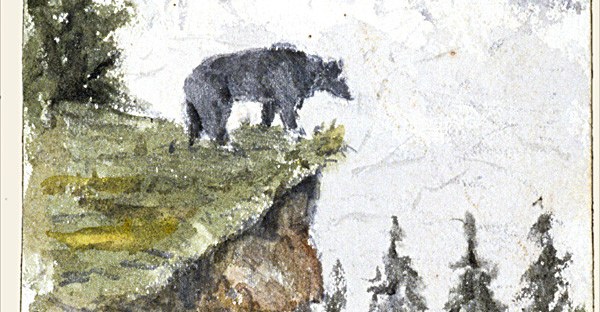
Not all of our companions will elbow their way into our lives and demand our attention. Some of them linger beyond the limits of our ordinary experiences, leaving only footprints and snapped twigs as traces of their presence. These are our guides to the depths of mystery and wilderness. They are dark wanderers who cross our paths only in the obscurity of a moonless night, whose form we seem to see only just on the periphery of our vision before it dissolves again into the tangled undergrowth of the unknown. They are the companions whose presence we sense with the thrill of uncertainty, that mixture of excitement and terror that gives rise to awe. Their breath is the sound on the edge of hearing that we catch just when we think we are alone. Lest we forget that nature is not only familiar and intimate, but deeply wild and strange. Lest we forget that some things are hidden, and will remain hidden. The bear is, for me, this kind of companion.
I don't want to live in a world where we are no longer allowed to ask each other for kindness and respect. I don't want to live in a world where one person's anger is more important than another person's pain. I don't want to live in a world where our only recourse if we want to be heard is to raise our voices more and more loudly and force our anger onto others. I would rather learn how to turn my anger into something beautiful and powerful that cannot be ignored, than to waste it in ways that can be dismissed because of my "tone." I would rather turn my rage into an agent of compassion, than use it as a weapon against those who have hurt me.
We want so very much to understand our gods, to know them intimately, to see how they work in our lives. It is tempting to dissect, to analyze, to categorize. And sometimes, it is necessary, even beneficial. We are categorizing creatures, we human beings. We pick out patterns as a matter of survival. When it comes to our gods, we reach for them not only with our prayers and offerings, but with our reason and our intellects — we would know them with our whole selves, in all their parts, in part so that we might know our own selves better in all our parts. The challenge is to delve into theology without killing its subject, to try our hand at analysis and critical thinking without pretending that the numinous divine is a dead thing that will hold still beneath our careful knives. Theology is not dissection. It is much more gruesome than that; it is vivisection.
What is ecological polytheism? That was the question that I knew I'd eventually have to answer. There was something going on in the root-webbed dark, some new kind of way of being Pagan that was starting to take shape for me. I tried to answer this question, or at least articulate it, in a couple of posts over on No Unsacred Place, and they became two of the most popular posts on the blog. I wasn't the only one interested in asking these kinds of questions, it seemed. Lots of other people were wondering the same thing. What is natural polytheism? How does ecology inform my theology? How can I bring science and religion into conversation for a more grounded and earth-centered Paganism?
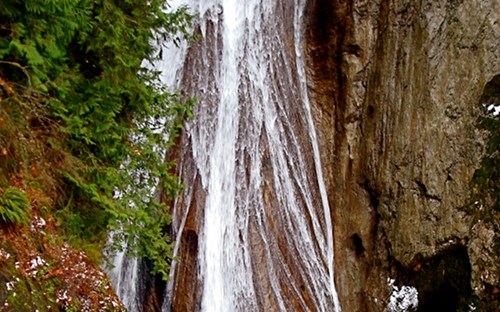
During the winter holidays, I gorged myself on pie and hot chocolate and twinkling lights and solstice cheer. I hope you did, too! But while I was lolling about in my sugar-induced hibernative haze recovering from a busy and productive fall, two more of my articles were published — "Keystones of the Sacred Land," in Aontacht Magazine, and "Reading the Book of Nature," in The Witches' Voice. Both articles continue my exploration of ecological polytheism and the work I'm doing to blend my naturalist training more into my spiritual practice.
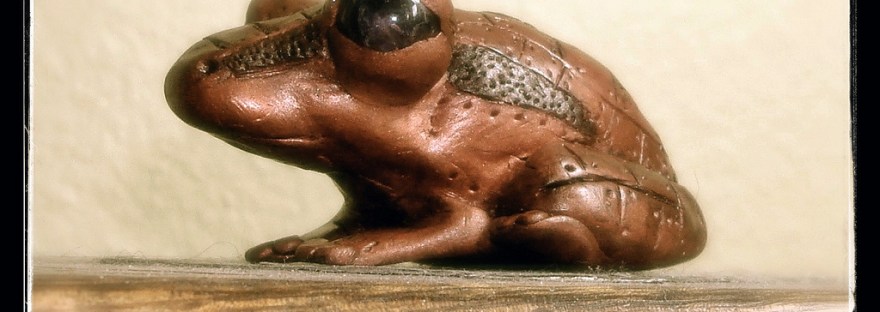
Sometimes I get sick of the flat, bright rectangles of computer screens and book pages. When that happens, I go on crafting binges. My latest was inspired by the steampunk aesthetic and my recent spiritual work with the local flora and fauna of the Pacific Northwest. This little guy was the result.
 Alison Leigh Lilly