A More Wakeful World - Animist Blog Carnival Book Club
Deep Ecology, Holy Wild, News & Announcements

A More Wakeful World: Animist Book Club Call for Submissions

This May, the "ABC" in Animist Blog Carnival will also stand for the Animist Book Club! Here on Holy Wild, I'll be hosting this monthly gathering of bloggers and writers exploring the evolving role of animism in modern Pagan and earth-centered spiritual traditions. Most months, the ABC host chooses a theme for all participating writers to explore -- but this time, I wanted to try something a little different! The ABC theme for May will be: A More Wakeful World: Reviews and Responses to the Writing of Emma Restall Orr. The deadline for submissions is Sunday, April 27, 2014. Keep reading for more details on how to participate!

Holy Wild, Muse in Brief

Of Apples and Awen. . .

It's been two weeks since my piece "Gods Like Mountains, Gods Like Mists" set off a fascinating and wide-ranging discussion about anthropocentrism in polytheist ritual and theology. In case you were wondering — yes, I've been busy reading, thinking, digesting and working on a follow-up post (or six!) of my own that I'll be sharing here soon. In the meantime, I wanted to point out some amazing writing elsewhere in the blogosphere. Featuring posts by Sara Amis, Joanna van der Hoeven, Heather Mingo and more!

Deep Ecology, Holy Wild, Theology

The Goddess, the Broom and the Barred Owl, Part 3

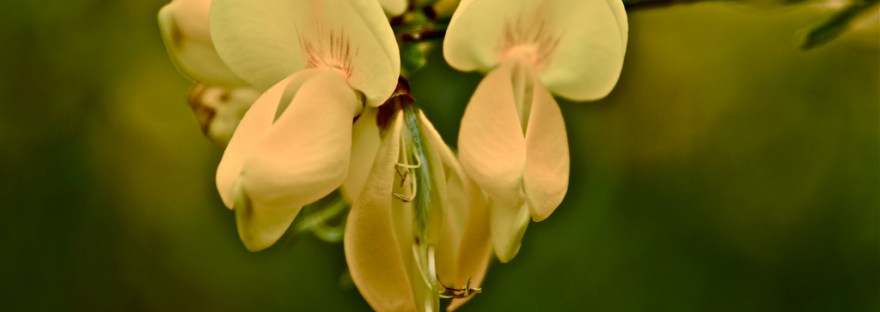
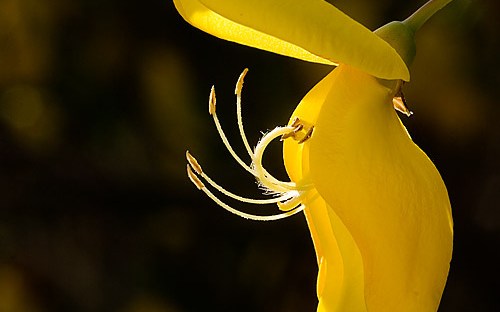
How do we understand the innocence of Blodeuwedd as the Flower Maiden, and her punishment as the Owl-Faced Old Maid? In the web of life in which everything has a proper and harmonious place as part of a greater dynamic balance, those beings who wander aimlessly without place or purpose — or who refuse to submit to their fate as decreed by the greater order of things — can potentially pose a threat to that balance, causing disruption and harm in their desperate desire to survive. Love of life can lead us astray. In the utter innocence and fierce love of the goddess there exists a lurking danger, where wildness shades into chaos and disharmony. Blodeuwedd is a goddess created in the image of the human being, for a very human purpose: to love and be loved. And yet she retains (as do we all) the undeniable influences of the natural world from which she was made, a more-than-human world in which love and life-force intermingle and overwhelm as the indomitable eros of passion. She exists in a liminal state, very much like our own species. She is a goddess of exile and displacement, and for that reason she is also a goddess of invasion.

Holy Wild, Muse in Brief

A Steampunk Meditation for Self-Transformation

Today I have a guest post up over on Nimue Brown's ever-inspiring blog, Druid LifeSteampunk Meditation for Self-Transformation, a blending of Victorian-era esoterica and glibly modern steampunkishness inspired in part by the ancient Three Cauldrons of Poesy. The meditation (and yes, it works) is my latest contribution to the anarchic, silly, and in no way secretive Secret Order of Steampunk Druids, which coalesced sometime back in 2012 between sips of tea and chap hop battles.

Holy Wild, Rite & Ritual

7 Ways to Enjoy a Sex-Free Beltane

A Pagan friend of mine mentioned recently that Beltane isn't really a holiday they celebrate; being single and not all that interested in sex, they don't connect with a lot of the symbolism associated with the holiday. I can totally relate. Surely, Beltane isn't just a holiday for horny lovers. As part of the ever-spiraling dance of the seasons, there are a lot of blessings that this time of year brings that can be enjoyed by those of us who are chaste, single, or otherwise just not that interested in turning everything into a metaphor for girl-parts and boy-parts. So in the spirit of the season, here are seven things to love about a sex-free Beltane!

Conservation, Featured, Holy Wild, Pagan Blog Project 2013

Invasives: Enemies or Allies?

Given how harmful an invasive species can be, it's tempting to see them as wholly bad, the "enemy" of a healthy ecosystem that needs to be eradicated. For modern Pagans seeking to live an embodied spirituality grounded in the sacred land, invasives are powerful allies in coming to terms with our own ambivalent role in the ecosystems we inhabit, and the possibilities and choices that lie before us. Too often our modern society encourages us to see nature as fragile and untouchable, and humans as the worst intruders of all. Befriending invasives can teach us valuable lessons about how to be respectful, loving citizens of the planet that we call home.

Holy Wild, Muse in Brief

Seeking the Keystones of the Land

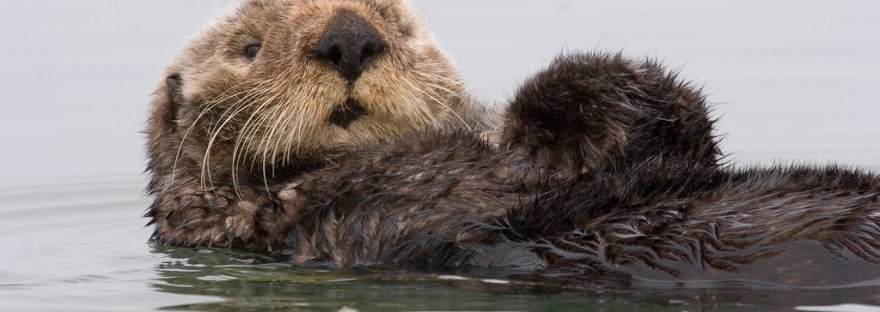
Spring has definitely sprung here in the rainy emerald city of Seattle: the salmonberry is blooming and, believe it or not, the sun is shining! (For now, anyway.) This past weekend, Jeff and I enjoyed a somewhat belated equinox celebration — we spent all afternoon hiking through the city's largest park (while I indulged in some wildflower photography and rather clumsy bird-watching), we observed Earth Hour Saturday evening, and we visited the Seattle Aquarium for the first time, where we made the acquaintance of some very adorable, very playful sea otters. And speaking of sea otters (which happen to be a keystone species out here in the Pacific Northwest), two new articles of mine were also published this weekend, both of them exploring the role of keystones as guides and companions in earth-centered spiritual practice.

Featured, Holy Wild, Pagan Blog Project 2013, Theology

Biophilia: On Love and Nature

Our relationship with nature gives rise to a paradox, in the same way that love creates a paradox. The paradox of love closely parallels the on-going struggle we have with the question of whether we are a part of nature, or separate from it. When we think of nature as our beloved, we discover that the answer is in fact: both. To be a nature-lover is to recognize this paradox: when we love nature, we see that our love both unites us with and differentiates us from what we love. In this way our love of nature affirms the most basic truth of our experience as self-aware creatures: that we are both a part of and apart from the world around us, that we are both whole individuals ourselves, and united in a whole that transcends our individuality.

Featured, Holy Wild, Rite & Ritual

Light a Candle to Begin

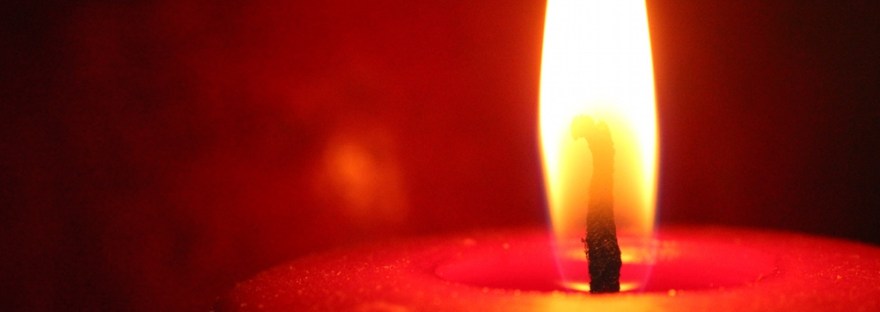
Christmas eve night, about nine o'clock. Basket slung over one arm and bumping into my hip with every step, I trudge through the snow. The ribbon wound around the basket's slim handle glistens in a hint of milky moonlight, gold thread woven in elaborate patterns through the deep red cloth. In the basket, a red pillar candle and two tapers — scented "seasonal berry" — jostle in a nest of intertwined greens, bits of douglas fir and blue spruce smelling sweetly of bent needles and dried sap; wedged among them, the frankincense sticks, the crystal bowl full of dark sunflower seeds and dried cranberries, the small jar of spring water decorated with silvery snowflake designs and curled bits of blue string. The snow crunches as I feel my way along the un-shoveled path through the park, some of it falling onto the tops of my moccasin-like shoes and slipping down inside to melt against bare skin.